

How Do GLP-1 Medications Impact Appetite and Food Intake?
GLP-1 medications work by mimicking the natural hormones in the body that regulate hunger, helping to reduce appetite and control food intake. These medications slow down the rate at which the stomach empties, promoting a feeling of fullness and reducing cravings. Dr. Sanjay Bharti, MD at MedBridge, offers expert guidance on how GLP-1 medications can help manage appetite and support long-term health goals. To consult our professionals, please contact us or book an appointment online. We have three convenient locations in Fairmont, Kingwood, and Mannington, WV.


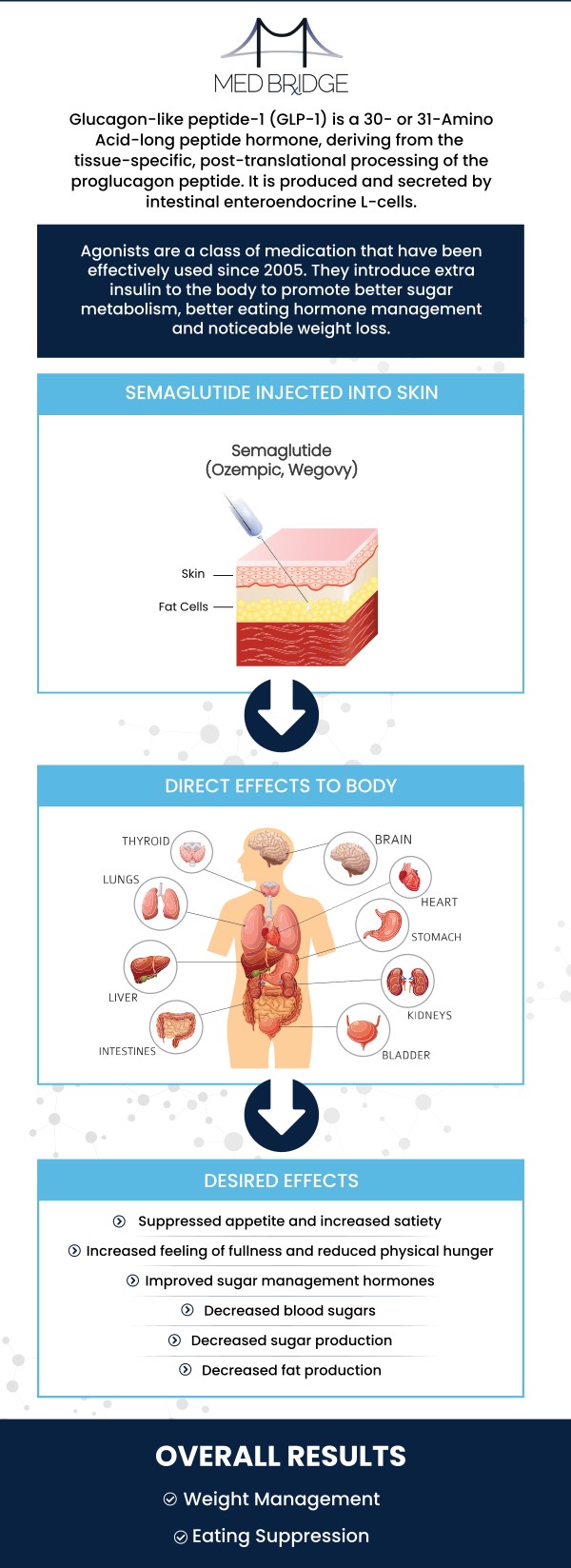
Table of Contents:
Do GLP-1 medications reduce portion sizes?
Do GLP-1 medications affect food preferences?
Is appetite suppression constant throughout the day?
Why is appetite regulation important for weight management?
How do GLP-1 medications with Dr. Sanjay Bharti, MD impact appetite and food intake?
Yes, GLP-1 medications can help reduce portion sizes by promoting feelings of fullness and satiety, which makes it easier for individuals to eat smaller amounts of food. GLP-1 (glucagon-like peptide-1) works by signaling to the brain that you are satisfied, reducing hunger even after smaller meals. This is achieved by slowing gastric emptying, so food stays in the stomach longer, helping to curb the desire for additional food.
As GLP-1 medications reduce appetite, patients find that they naturally start to consume smaller portions without feeling deprived. This helps prevent overeating and supports healthier eating habits over time.
Our experts at MedBridge use GLP-1 therapy as part of a personalized weight management plan, ensuring that patients achieve sustainable, controlled portion sizes. When combined with other lifestyle changes, such as mindful eating and healthier food choices, GLP-1 medications offer a powerful tool in regulating both the quantity and quality of food consumed.
GLP-1 medications can have an impact on food preferences, primarily by influencing the brain’s reward system, which controls how we respond to different types of food. Patients on GLP-1 therapy often report a decreased desire for high-calorie, sugary foods, as the medication works to regulate hunger and reduce cravings for unhealthy snacks.
While GLP-1 doesn’t directly change food preferences, it helps reduce the intensity of cravings for foods that are often linked to emotional or habitual eating. This makes it easier for individuals to choose healthier food options, such as fruits, vegetables, and lean proteins, over less nutritious alternatives.
With our team at MedBridge, GLP-1 therapy is used as part of a comprehensive treatment plan that not only targets appetite but also encourages more balanced, mindful food choices. The therapy helps patients feel more in control of their cravings and food preferences, which can lead to better long-term adherence to a healthier diet. Patients who are mindful of their food preferences may find it easier to resist unhealthy options, contributing to improved weight management and better overall health.
No, appetite suppression from GLP-1 medications is not constant throughout the day, but rather it is more pronounced during certain periods. GLP-1 works by promoting satiety after meals and reducing hunger between meals. However, the degree of appetite suppression may vary depending on factors such as the individual’s metabolism, the dosage of the medication, and their eating patterns.
Typically, appetite suppression is most noticeable after eating, as GLP-1 medications slow gastric emptying and help individuals feel fuller for longer periods. Some individuals may also experience reduced appetite during periods of the day when blood sugar levels are stable. However, during times of high emotional stress or after strenuous physical activity, appetite suppression may be less noticeable.
At MedBridge, we tailor GLP-1 therapy to each patient’s unique needs, ensuring that appetite regulation is effective throughout the day while minimizing side effects. By closely monitoring progress, we adjust treatment plans to ensure that patients can sustain appetite control throughout the day while maintaining energy and a balanced lifestyle.
Appetite regulation is crucial for effective weight management because it directly impacts how much food a person consumes. Without proper appetite control, individuals are more likely to overeat or make poor food choices, which can lead to weight gain or difficulty losing weight. Appetite regulation helps people eat the right amount of food, preventing excess calorie consumption and promoting healthier eating patterns.
When appetite is properly managed, it becomes easier for individuals to stick to a nutritious, balanced diet, which is essential for long-term weight management. GLP-1 medications assist with appetite regulation by promoting feelings of fullness, suppressing hunger, and helping to reduce cravings. This enables patients to eat smaller, more appropriate portion sizes, making it easier to maintain a healthy weight over time.
At MedBridge, our team use GLP-1 therapy as part of a holistic weight management plan. Appetite regulation, alongside lifestyle changes such as exercise and a balanced diet, contributes to more sustainable weight loss. The ability to control hunger is an essential part of creating lasting, positive changes that help individuals manage their weight effectively.
GLP-1 medications, under the guidance of Dr. Sanjay Bharti, MD, at MedBridge, play a significant role in appetite regulation and food intake. These medications work by increasing feelings of fullness and reducing hunger, which helps patients control their food consumption without feeling deprived or hungry all the time.
Dr. Bharti carefully tailors GLP-1 treatment to each patient’s needs, ensuring that they experience optimal appetite suppression without the discomfort of side effects. One of the primary benefits of GLP-1 therapy is its ability to help individuals feel fuller with smaller portions, which makes it easier to adhere to healthier eating habits and ultimately achieve weight loss goals.
In addition to reducing hunger, GLP-1 medications also help manage cravings for unhealthy foods, especially high-sugar or high-fat options. This further encourages healthier choices, such as consuming whole foods, lean proteins, and vegetables. By combining GLP-1 therapy with lifestyle changes, including proper nutrition and exercise, Dr. Bharti ensures that patients experience sustained weight loss and a healthier relationship with food.
To consult our professionals, please contact us or book an appointment online. We have three convenient locations in Fairmont, Kingwood, and Mannington, WV. We serve patients from Fairmont WV, Mannington WV, Kingwood WV, White Hall WV, Pleasant Valley WV, Monongah WV, Barrackville WV, Metz WV, Terra Alta WV, Anderson WV, and surrounding areas.
Check Out Our 5 Star Reviews



Additional Services You May Need
▸ Primary Care
▸ Walk-In Clinic
▸ Medical-Weight Loss
▸ Flu
▸ Hypertension
▸ Asthma
▸ PFTs
▸ Telemedicine
▸ Broken Bones
▸ Urinalysis
▸ Bronchitis
▸ Ear Infection
▸ Hypothyroidism
▸ Chronic Care
▸ Arthritis
▸ Diabetes
▸ Heart Disease
▸ High Cholesterol
▸ Thyroid Disease
▸ Exercise Guidance
▸ Metabolic Monitoring
▸ Nutrition Counseling
▸ Semaglutide
▸ Tirzepatide
▸ Annual Physicals
▸ Lifestyle Coaching
▸ Medication Management
▸ Preventative Screening
▸ Cold & Flu Treatment
▸ Fractures
▸ Illnesses Treatment


 Send Text
 How May I Help You?